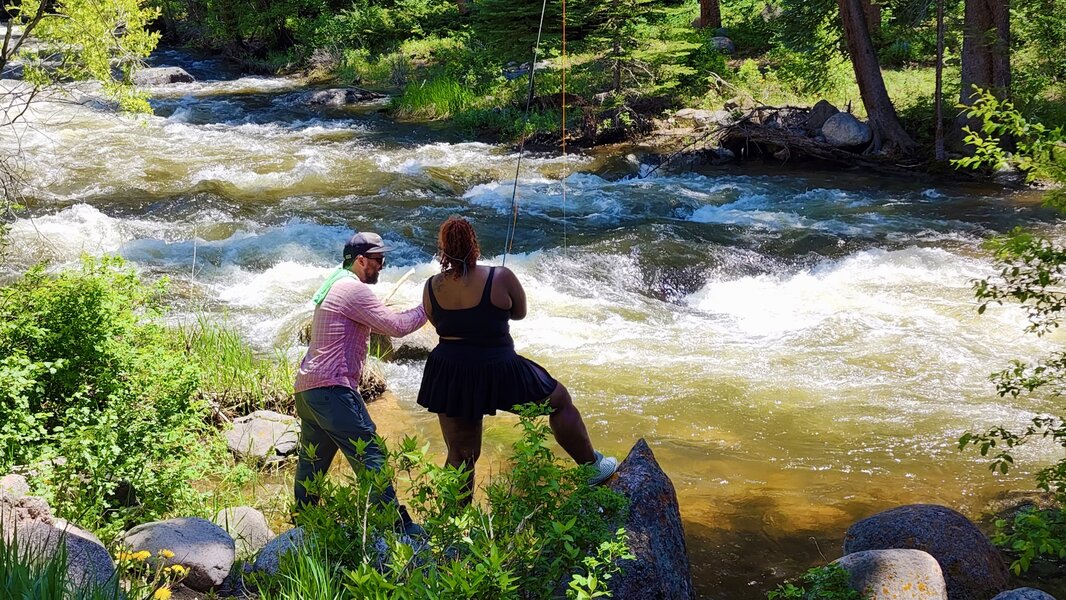
In recent years, the narrative surrounding outdoor recreation has shifted towards inclusivity and equal access. Historically, outdoor spaces such as parks, trails, and natural reserves have been perceived as primarily for certain demographics, often excluding marginalized communities due to socioeconomic, racial, or physical barriers.
However, a growing movement emphasizes that the outdoors belong to everyone. Advocates argue that access to nature is a fundamental right that can promote physical health, mental well-being, and social cohesion. Initiatives are underway across various regions to dismantle barriers and foster inclusive outdoor environments.
One significant aspect of this movement involves expanding public transportation options to reach outdoor destinations. Many communities lack affordable and reliable transit to parks and natural areas, limiting access for low-income residents. By improving transit infrastructure and reducing costs, cities aim to make outdoor recreation more equitable.
Moreover, efforts are being made to design outdoor spaces that accommodate diverse needs. This includes installing accessible pathways, sensory-friendly areas, and facilities that cater to individuals with disabilities. Such modifications ensure that everyone, regardless of physical ability, can enjoy outdoor activities.
Community-led programs play a vital role in promoting outdoor engagement among underrepresented groups. These programs often provide guided experiences, educational workshops, and equipment rentals, lowering the barriers to participation. For example, organizations are working to introduce urban youth to hiking, camping, and environmental stewardship, fostering a lifelong appreciation for nature.
Despite these positive developments, challenges remain. Funding constraints, bureaucratic hurdles, and societal attitudes can impede progress. Additionally, climate change poses a threat to natural habitats and the accessibility of outdoor spaces, disproportionately affecting vulnerable populations.
Addressing these issues requires a collaborative approach involving government agencies, non-profit organizations, community leaders, and outdoor enthusiasts. Policies that prioritize equitable access, environmental sustainability, and cultural inclusivity are essential for creating outdoor spaces that truly belong to everyone.
In conclusion, the movement to democratize outdoor access is gaining momentum, highlighting the importance of making nature accessible and welcoming for all. As society continues to recognize the benefits of outdoor recreation, efforts to eliminate barriers and promote inclusivity will be crucial in ensuring that the outdoors remains a shared resource for generations to come.